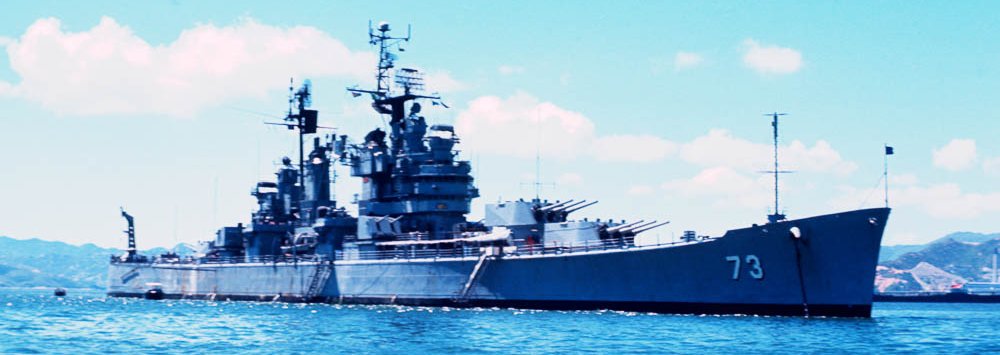
USS Saint Paul (CA 73)
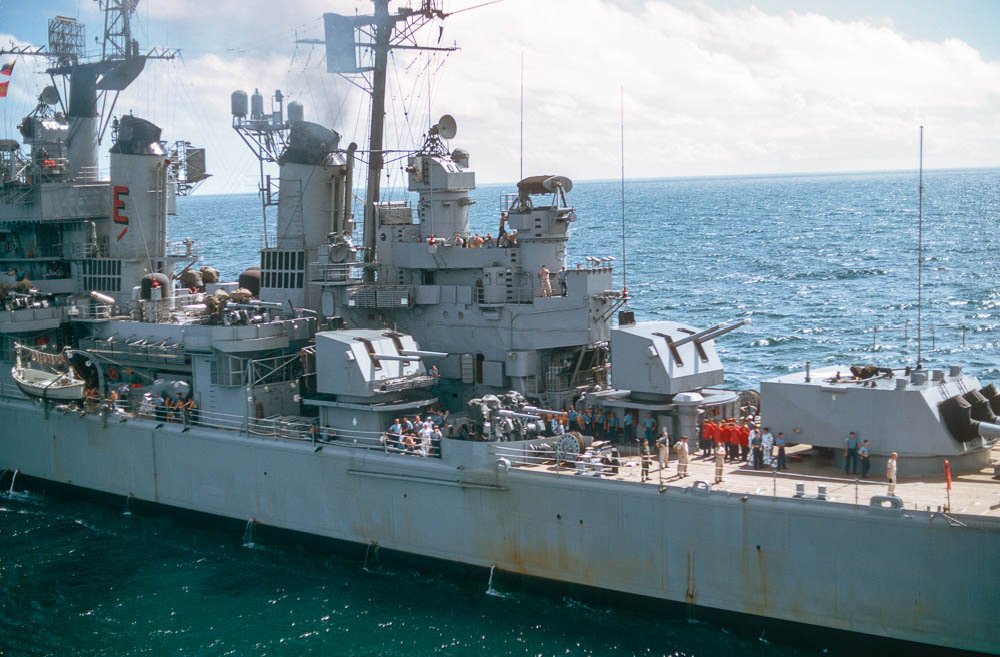
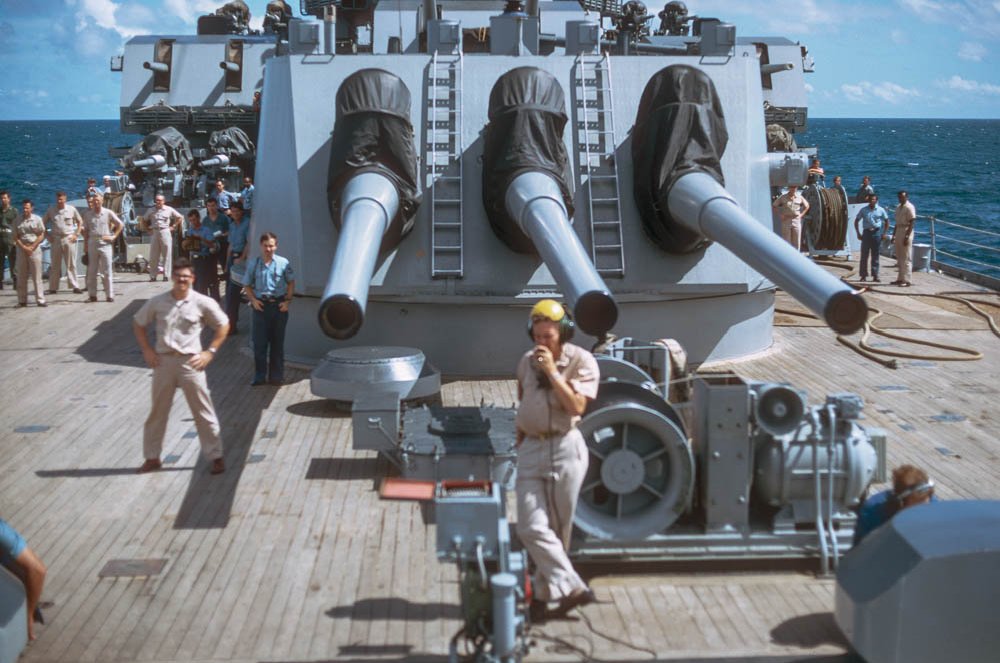
I was aboard this heavy cruiser during her deployment in 1970 to the Western Pacific (West Pac). Our mission was to provide shore bombardment along the Vietnam coast in support of our ground troops.
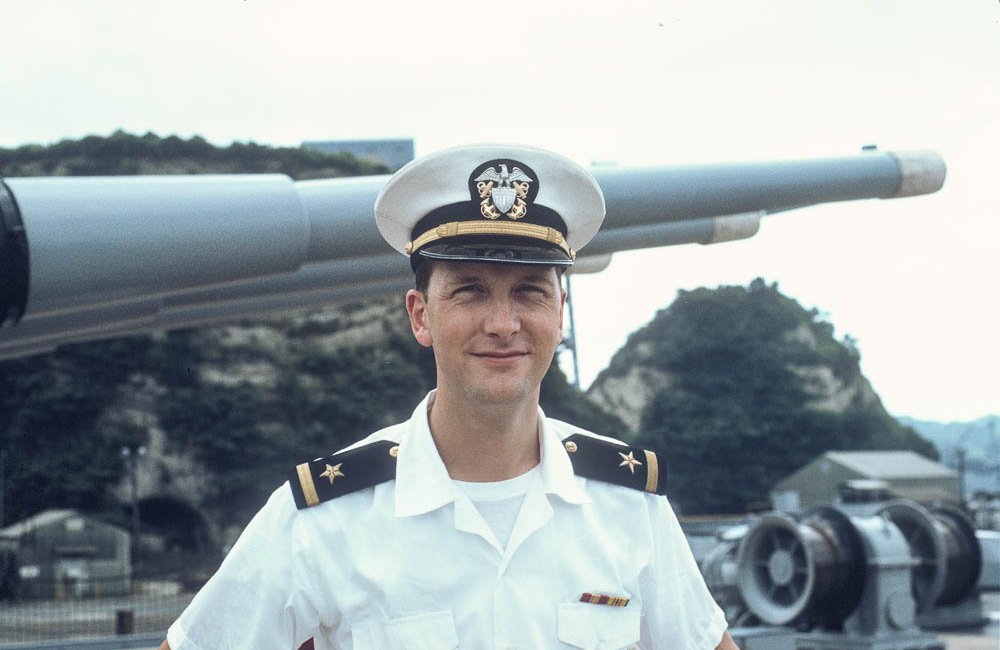
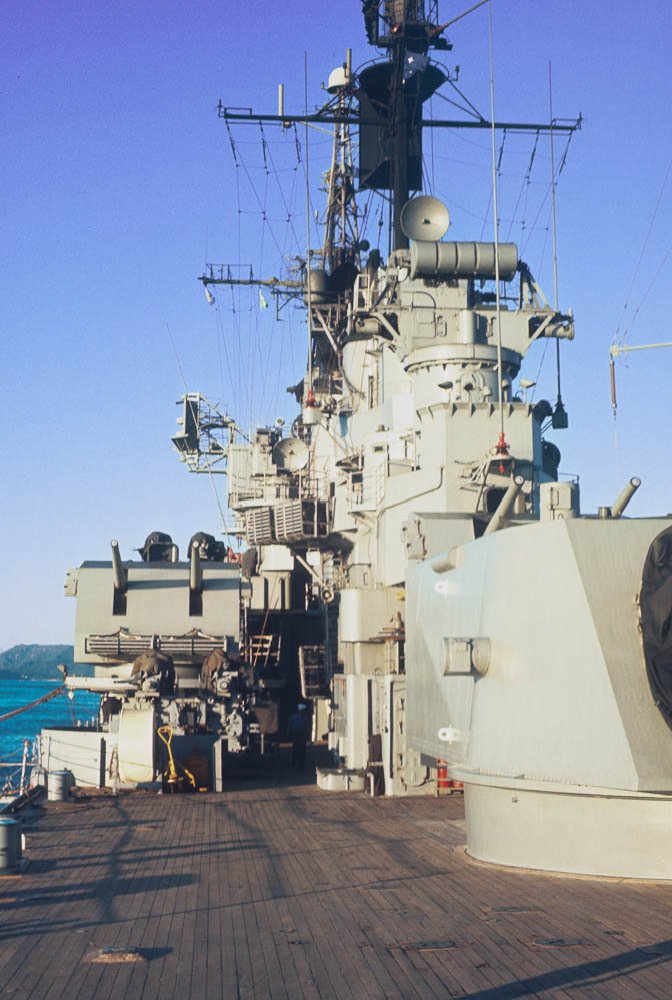
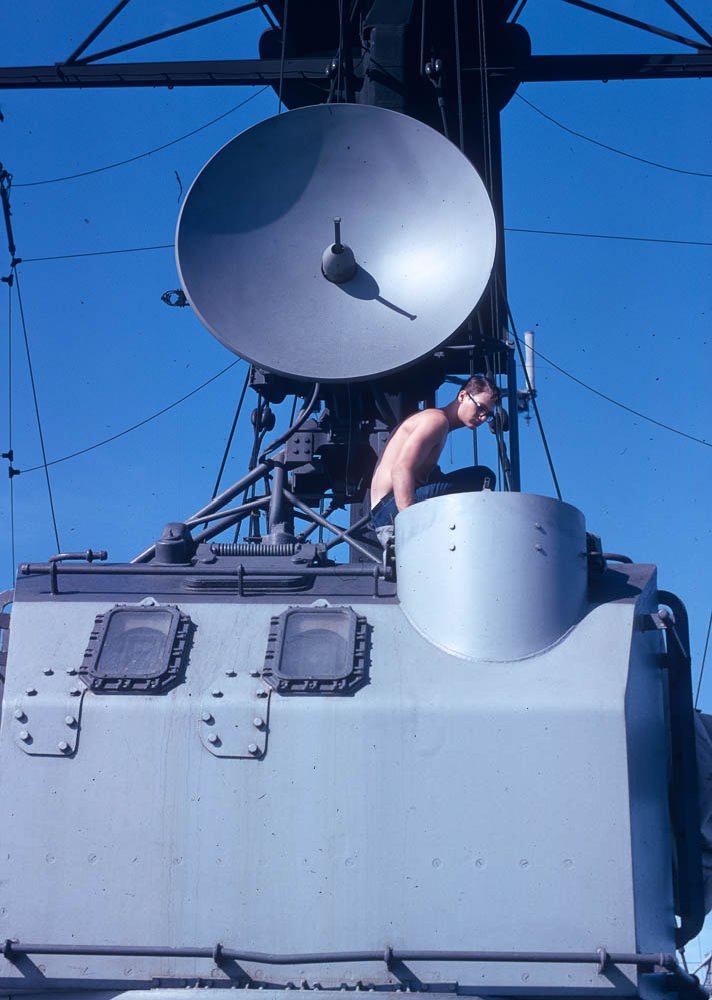
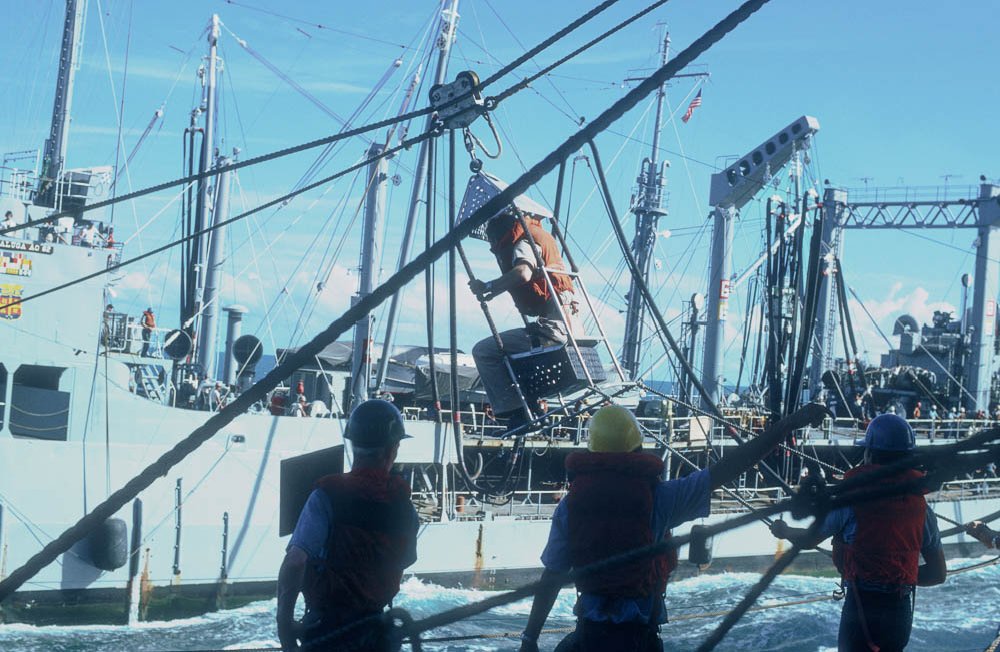
For the last half of the cruise I stood watches on the bridge as the conning officer, the one giving course and speed orders to the helmsman and the engine room. The tensest moments were when steaming parallel to a supply ship for Underway Replenishment.
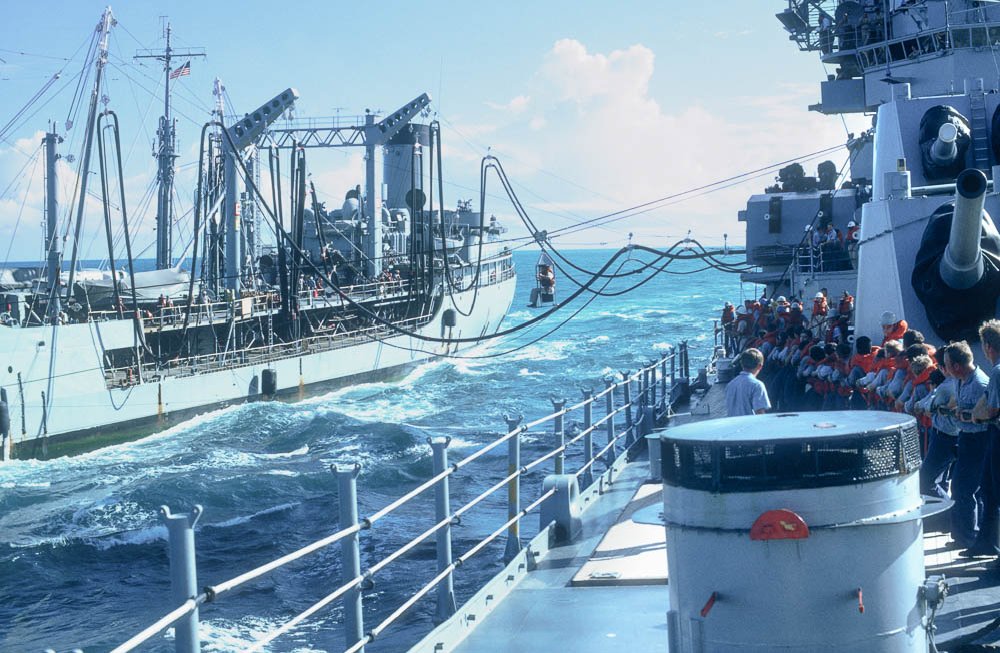
Keeping a precise and steady distance between ships at a constant speed of 15 knots is critical to the safety of the ships and their crews.
The inter-ship lines for fuel and wares are tensioned using winches, but when transferring personnel (as seen here), a long line of men hold the line directly in order to react more quickly should the distance between the ships change.
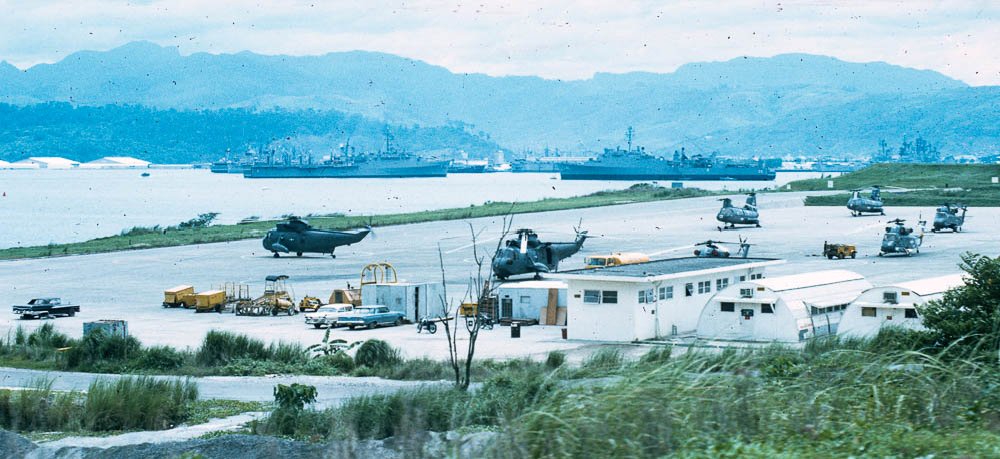
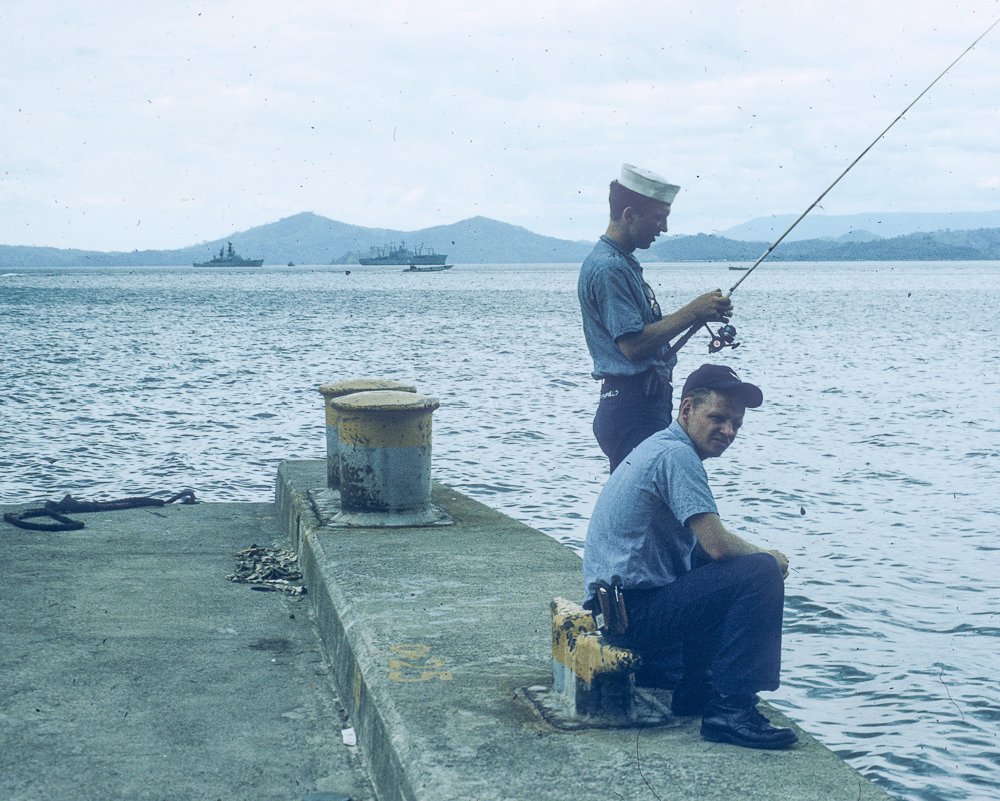
R & R
Subic Bay ("The Peril [sic] of the Orient") in the Phillipines. The Navy had a history of sailors on liberty in Olongapo getting into trouble. My XO told me he had never seen a Legal Officer not weep when entering this port. Preparing "Captain's Masts" (disciplinary proceedings before the CO) would keep me busy.
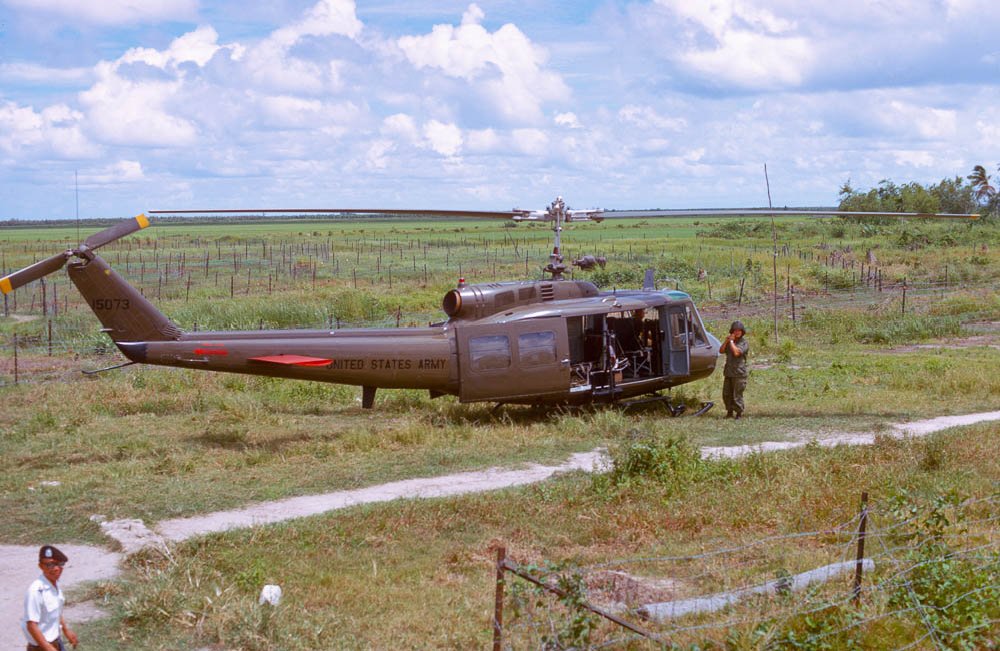
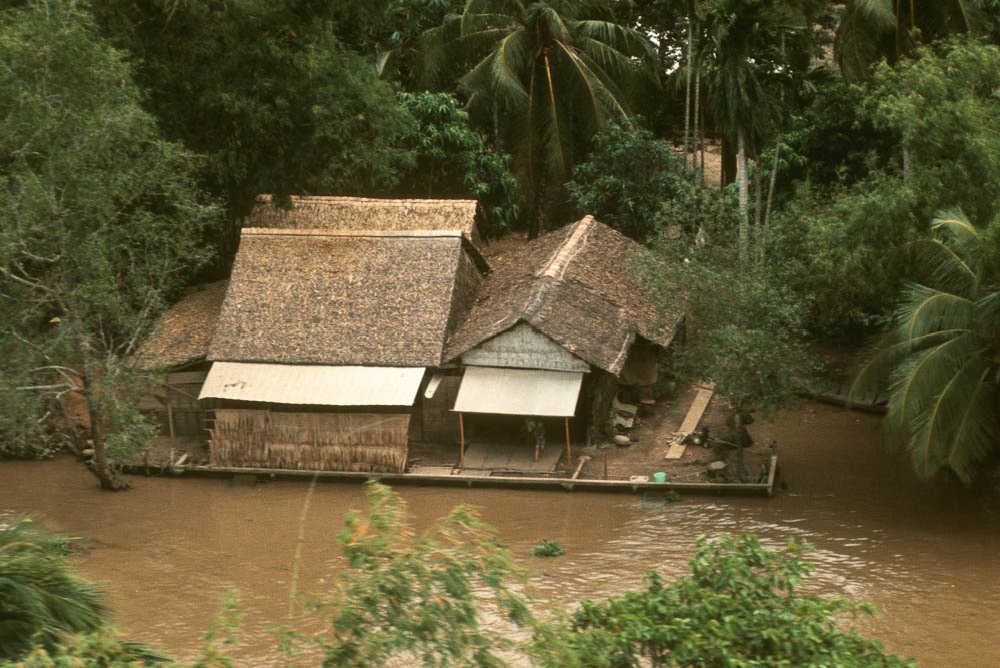
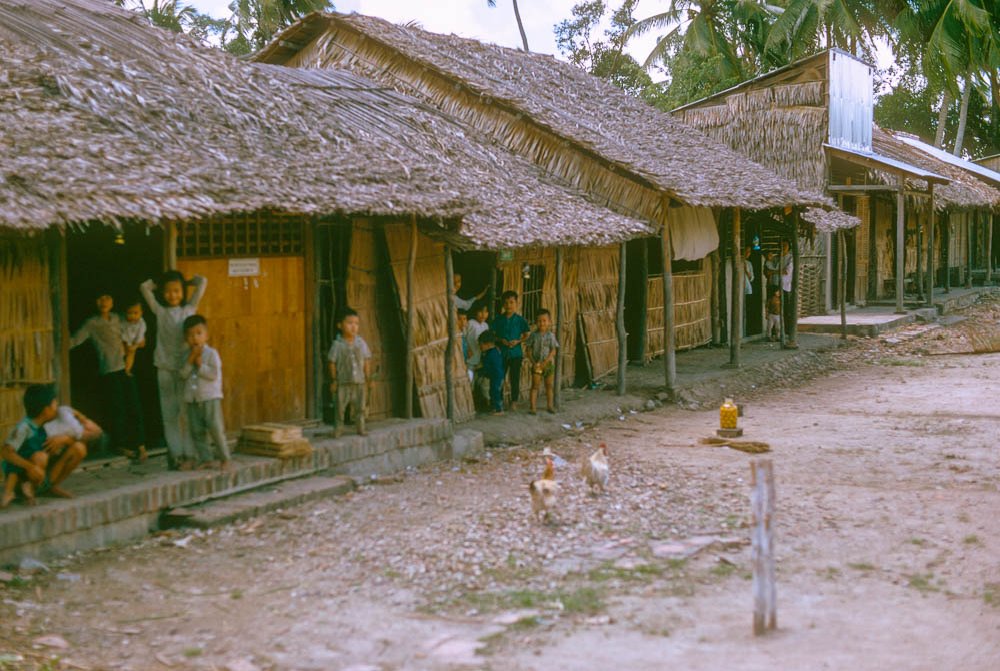
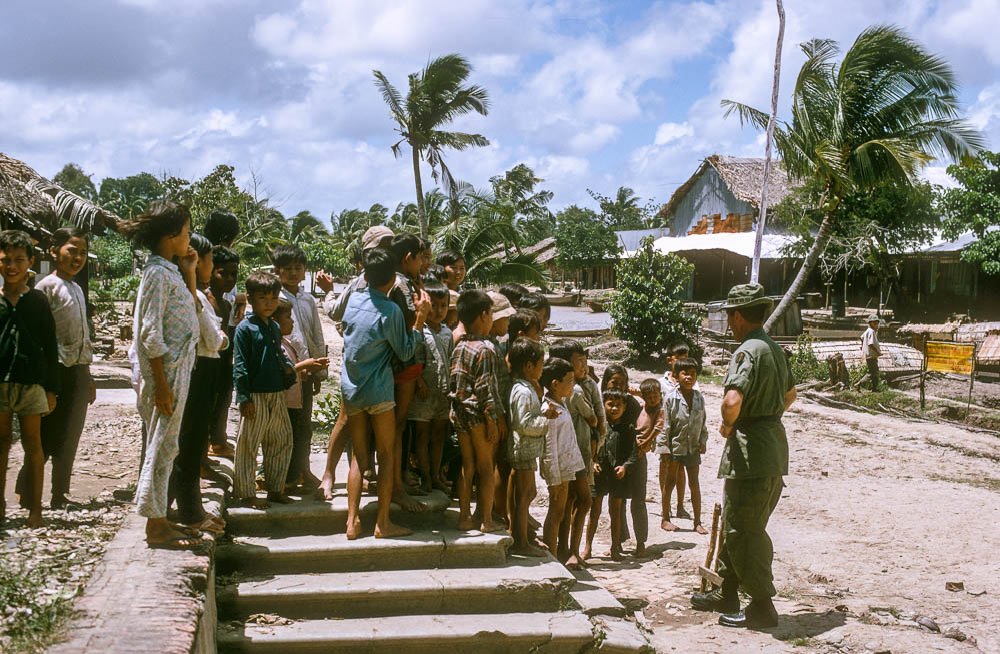
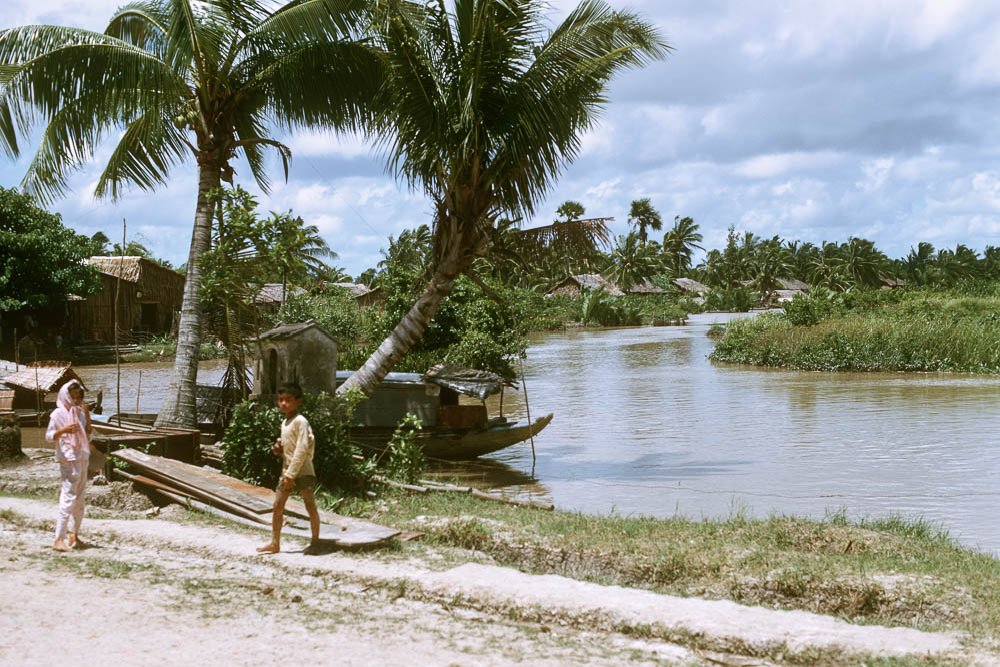
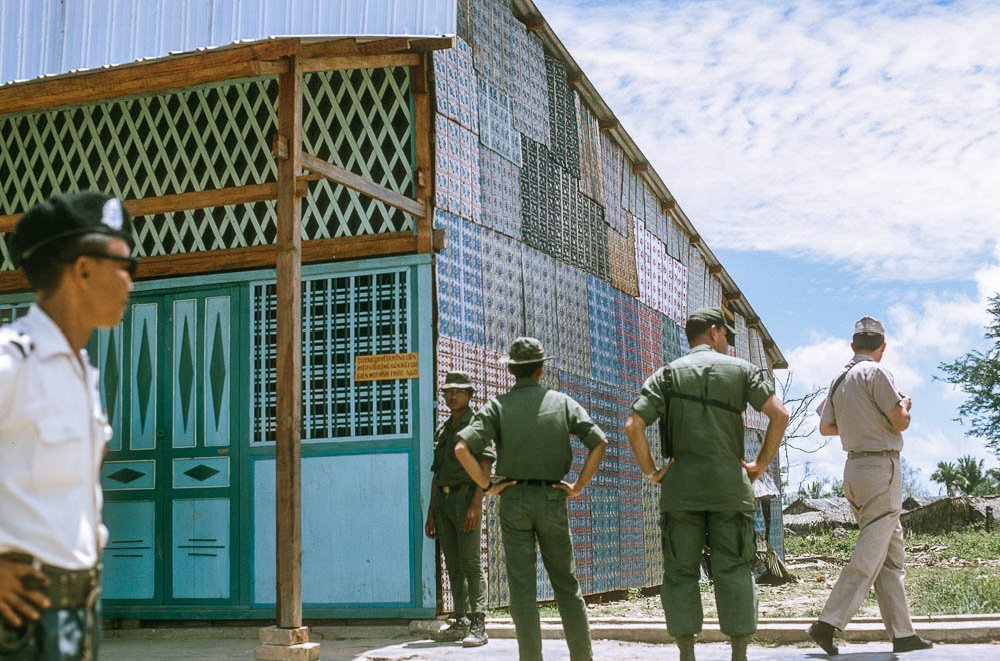
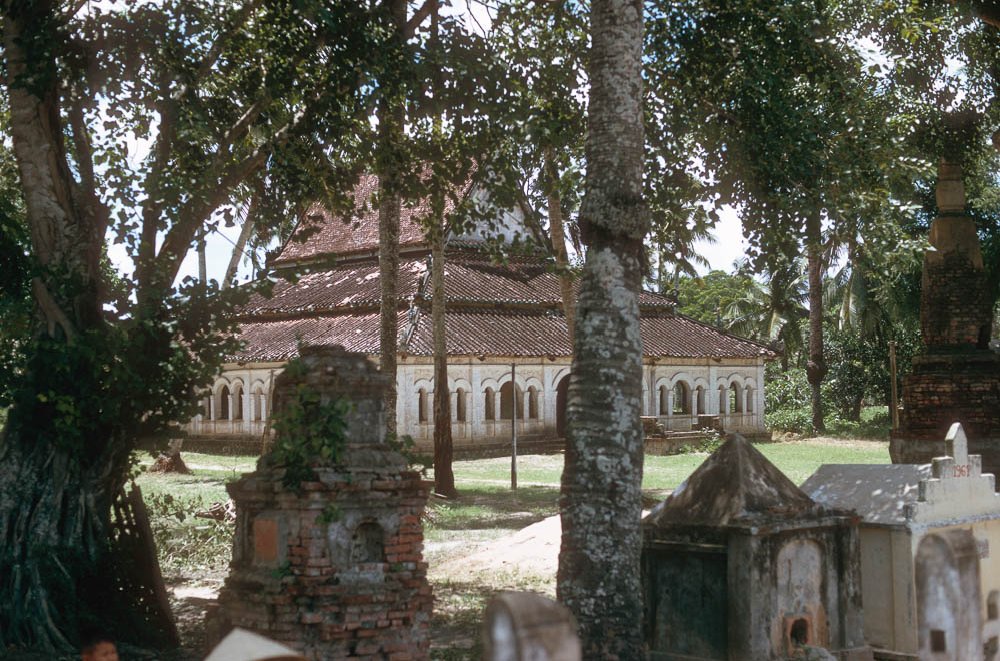
A Day in the Delta
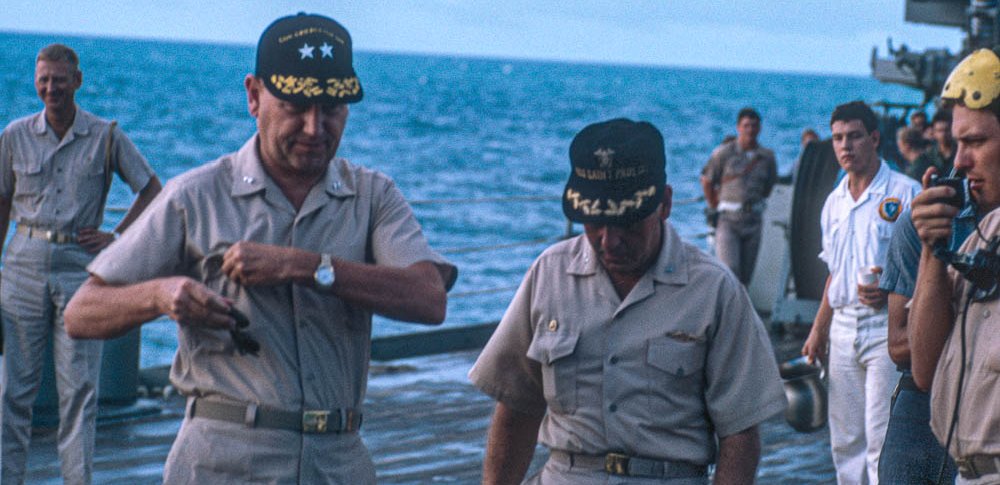
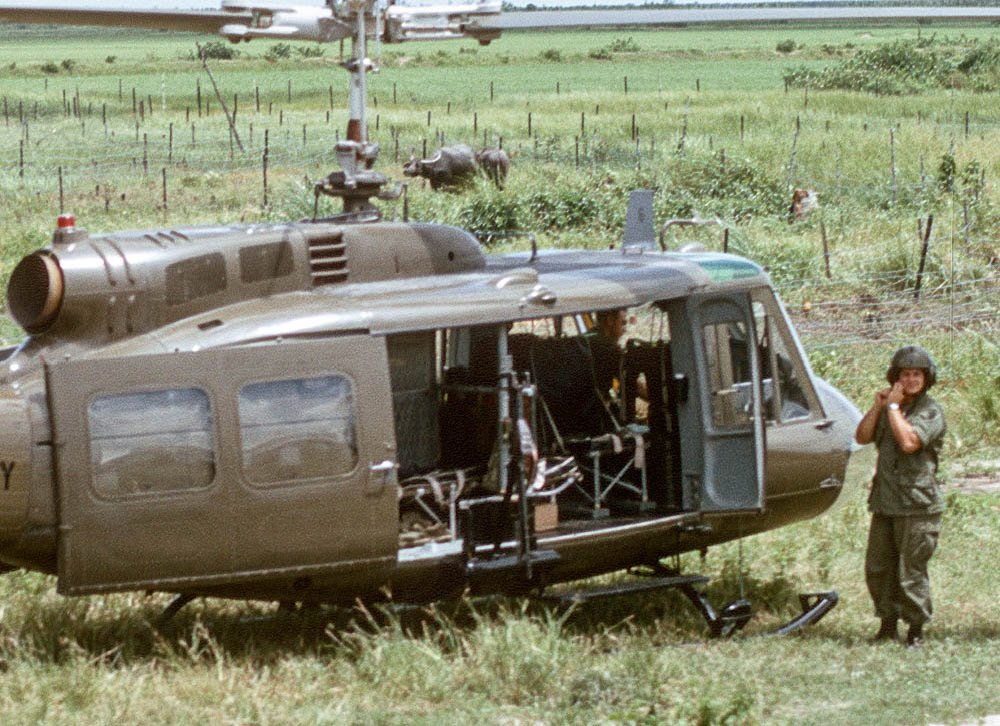
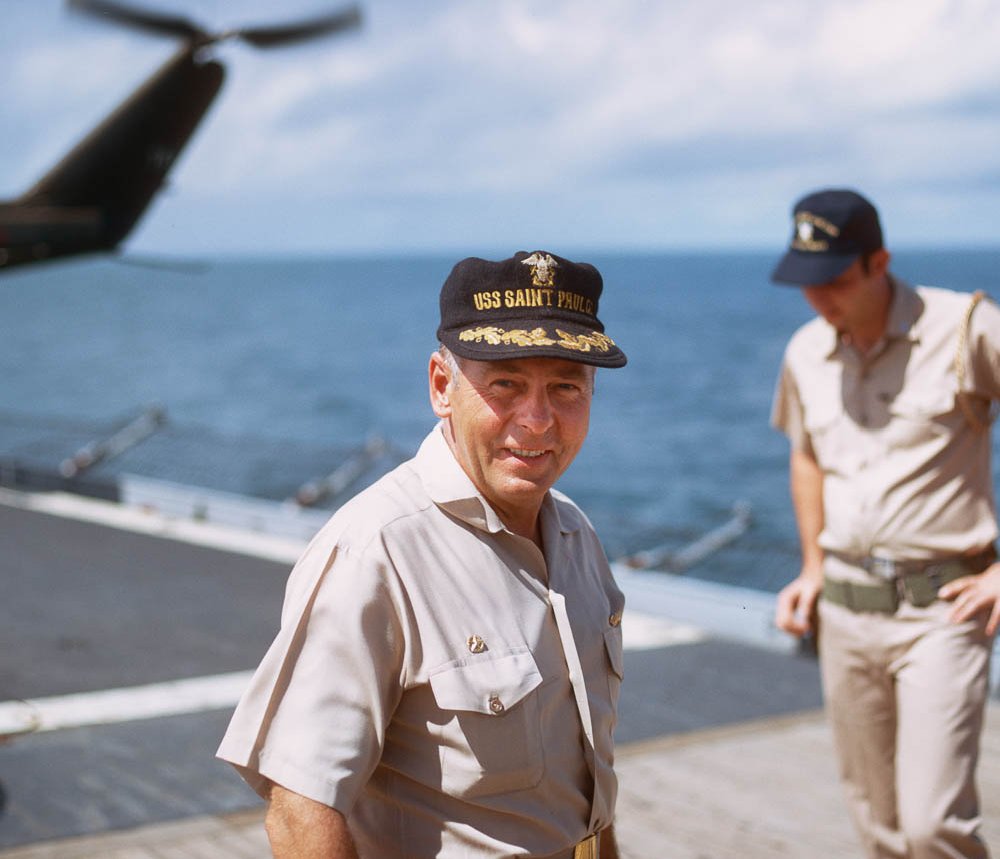
The Saint Paul was the flag ship of the Cruiser Destroyer Force of the Pacific Fleet, which meant that we were carrying the admiral in charge of that force.
The Admiral (left), seen here conferring with my CO (right), was going to tour the Delta area with his staff officers, courtesy of our Army stationed there.
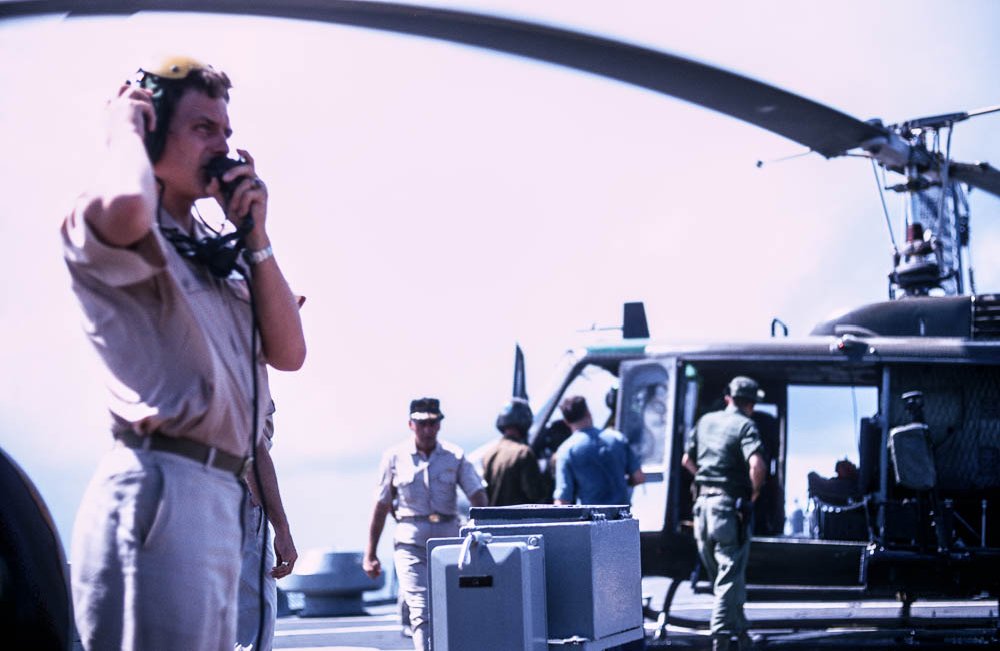
My CO rewarded me with the privilege to go along and have my first ride ever in a helicopter.
Notice that the doors on the passenger compartment aft of the pilots are wide open. They remained open throughout the day. The Admiral and his staff had seats and seatbelts.
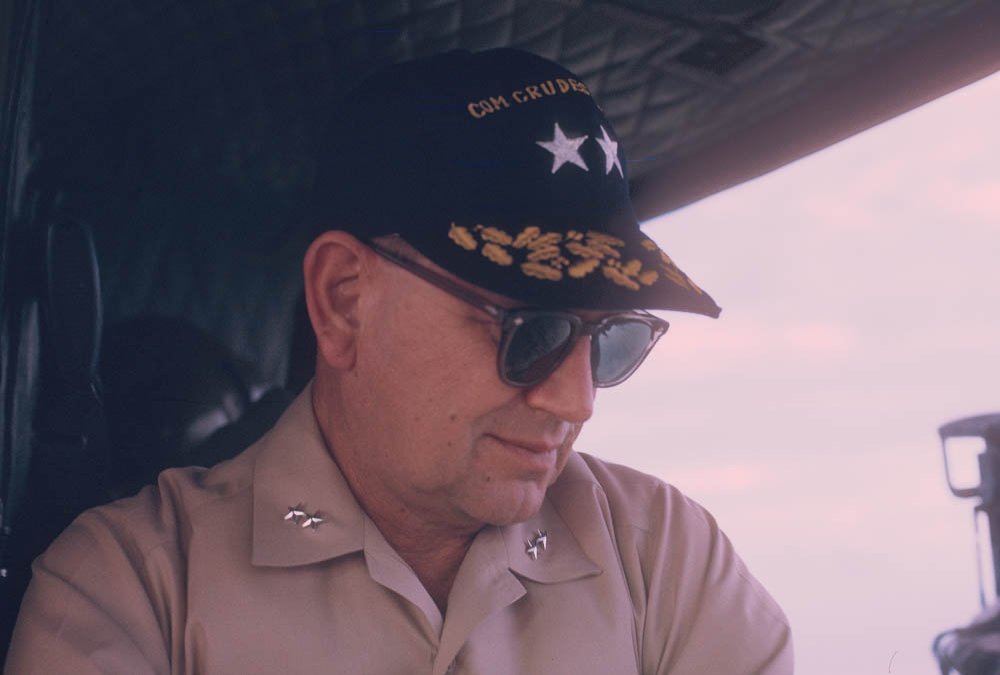
I, however, was relegated to sitting cross-legged on the slippery deck with no belt. I kept my hands close to the Admiral's ankles, ready to grab them if I started to slide toward the open door.
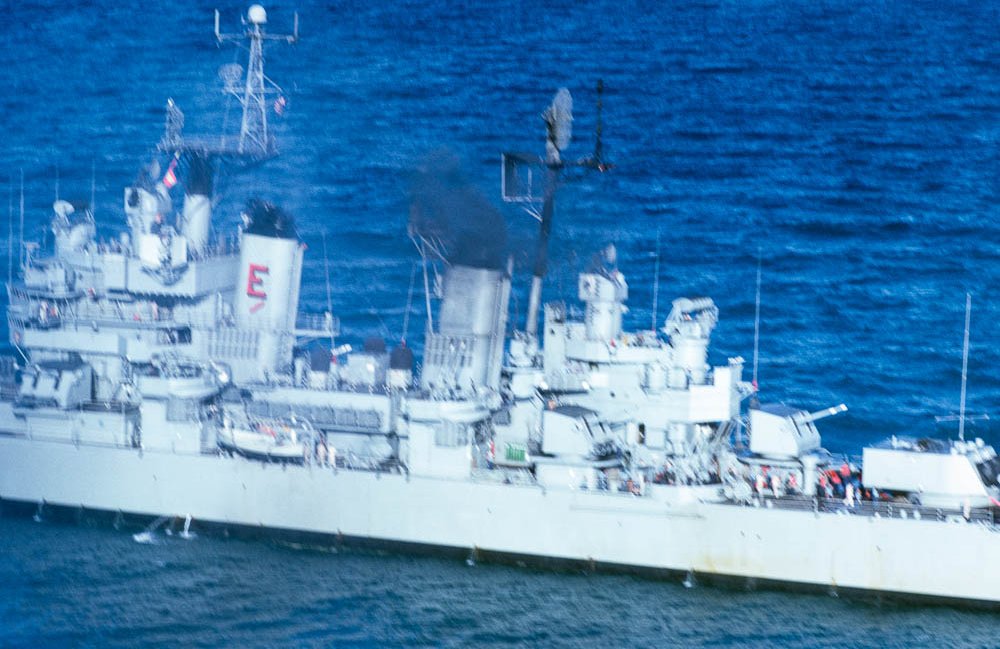
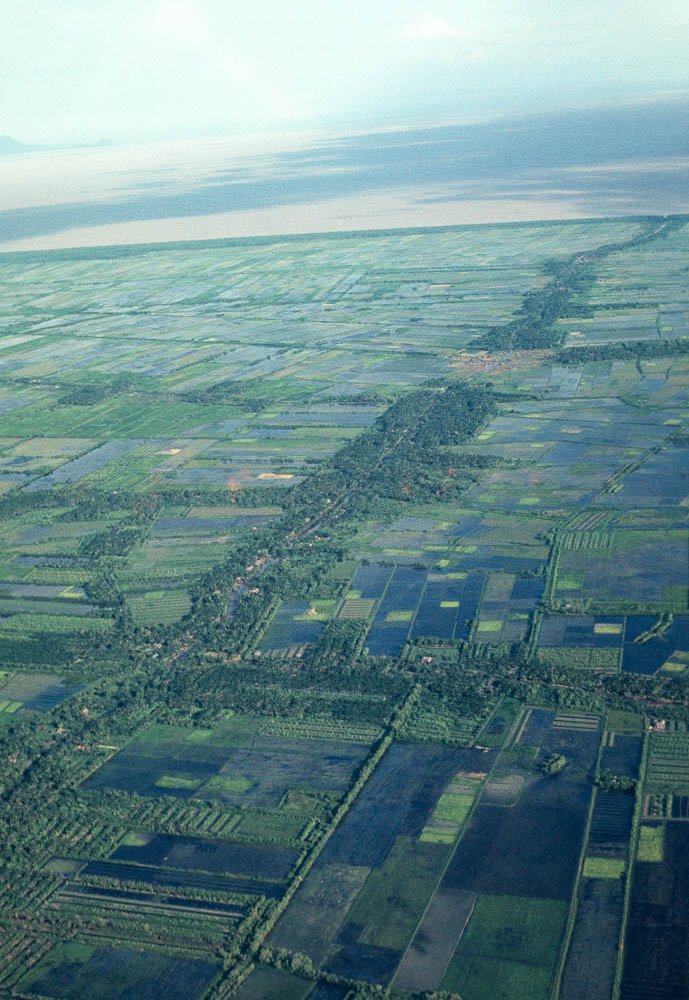
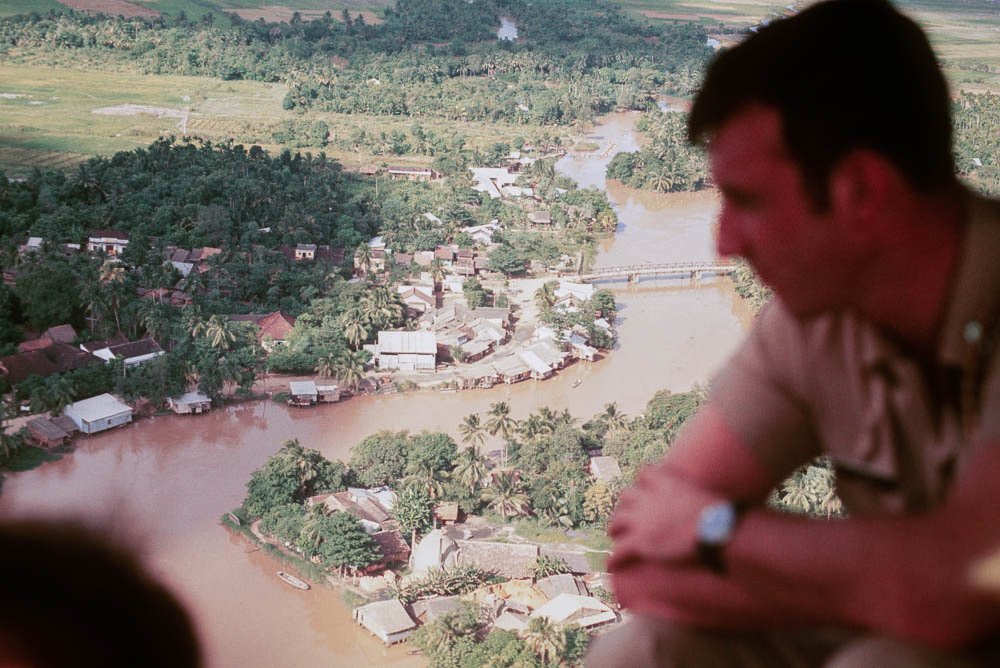
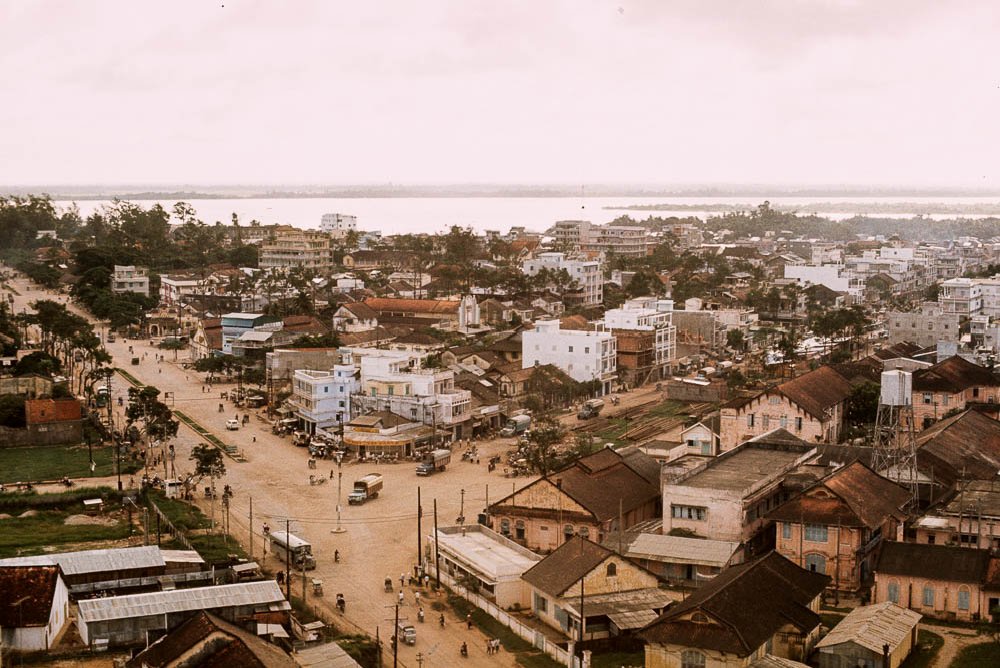
My first fearful glimpse out the door after takeoff had me looking straight down the ship's stacks as the pilot banked steeply and circled the ship a couple of times. I didn't dare take my hands away from the Admiral's ankles and aim my camera until we leveled off. The pilot later explained he had seen my swank NIKON FTN around my neck and figured I'd like a couple of Hollywood laps around the Saint for photos. Geez!
GOING HOME
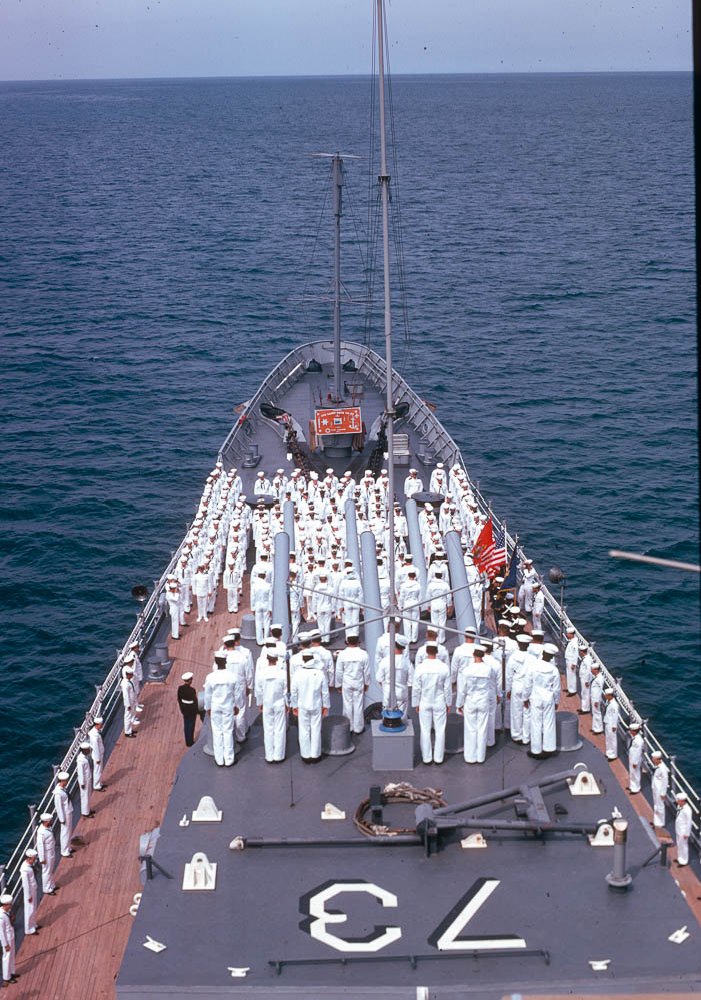
Our WestPac deployment ended in September and we turned homeward across the Pacific to San Diego.
Heading home cheered the crew, but there were a couple of sad clouds hanging over us.
First, we learned that we were on the Fighting Saint's last voyage. The ship would be decommissioned and mothballed after our return to homeport. Longtime crew members teared up.
Second, we suffered our first and only crew fatality for this deployment in an accident while conducting the ship's last anchoring. This occasioned a burial at sea.
My next assignment was ashore in San Diego where I was an Instructor of Military Justice. My students were Navy and Marine officers who were not lawyers but were newly assigned collateral duty as legal officer in their respective units. They were particularly attentive when I gave hints on how to restrain their COs from "improvident" (read: "not condoned under the UCMJ") actions.